Most people do not need a new diet. They need a handful of habits that survive a busy week. Energy dips in the afternoon are rarely about eating too little; they usually come from meals that spike and crash.
Start with a steadier plate
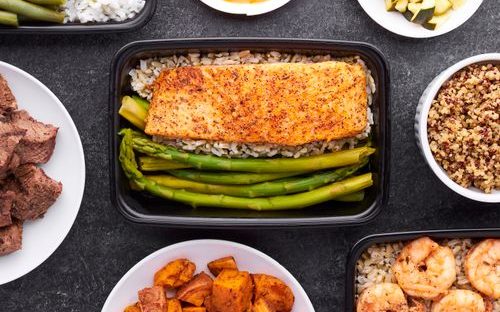
Every meal is a chance to flatten your energy curve. A simple way to do it is to make sure each plate has three parts: a source of protein, a slow carbohydrate and something colourful from the vegetable or fruit drawer. When all three are present, digestion slows down and your energy arrives as a steady stream instead of a spike.
- Protein: eggs, fish, chicken, lentils, beans, tofu, yoghurt or cottage cheese.
- Slow carbohydrate: oats, brown rice, whole-grain bread, potatoes with skin, millet or quinoa.
- Colour: leafy greens, peppers, tomatoes, carrots, berries or any fruit in season.
Eat on a rhythm, not on emotion
Long gaps between meals often end in a rushed, oversized evening meal. Aim for a rhythm that suits your day — many people do well with a solid breakfast, a real lunch and a lighter dinner, plus one planned snack if the afternoon runs long. The point is not the clock; it is that your body learns when fuel is coming.
Hydration counts as nutrition
Fatigue is one of the earliest signs of mild dehydration. Keep water visible — on your desk, in your bag, beside the kettle — and pair a glass with each meal. Herbal tea, plain milk, soups and water-rich fruit all contribute too.
Build a kitchen that helps you
Willpower fades by evening; preparation does not. Wash and cut vegetables when you unpack groceries, cook one extra portion whenever you cook, and keep a shelf of quick proteins ready to go. When healthy food is the easiest option, you stop needing to decide.
Be patient with the process
New habits feel effortful for a short while and then quietly become normal. Pick one change, repeat it until it is boring, and only then add the next. Steady beats dramatic — and steady is what keeps your energy, mood and appetite predictable.